
"baking degree"
10000 article(s) found

The basic chemical reaction of coffee technology in the process of coffee roasting
Many thermal and chemical reactions take place during baking: decarbonation, dehydration of quinic acid, subdivision, isomerization, polymerization, and complex sugar reactions (caramelization). The main components of the thermal reaction are monosaccharides and sucrose, chlorogenic acid, free amino acids, and fenugreek amide. Both aravinose and calactose in the polysaccharides are transferred, and the basic vulcanization process includes hydroxylamine.

How to control the roasting degree of coffee
First, control the baking degree with time and constant attempts in exchange for success. (for example, I-ROAST) is to try baking several times by adjusting the time on the machine, or by controlling the baking degree recommended by the manufacturer. Then adjust the baking degree according to the decreasing time. If you think the baking is too sour and too bright, extend it a little longer next time, on the contrary.
Basic chemical reactions that occur during coffee roasting
Many thermal and chemical reactions take place during baking: decarbonation, dehydration of quinic acid, fragmentation, isomerization, polymerization, and complex sugar reactions (caramelization). The main thermally reactive components are monosaccharides and sucrose, chlorogenic acid, displaced amino acids, and trigonelline amide. Both aravinone and calactose in polysaccharides are transferred, and basic sulfurization contains hydroxyamino acids.
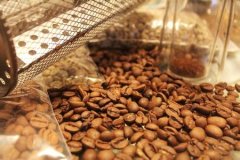
The basic chemical reaction that takes place during coffee roasting.
Basic chemical reactions that occur during coffee roasting author: Carl Staub originates from the SCAA baking color classification system, developed by Agtron SCAA 1995 original text from: http://www.sweetmarias.com/roast.carlstaub.html translation: Grant, http://www.baristacn.com/forum/thread-1583-1-1.html in the roasting process

Coffee roasting degree resolution chart the technology of roasting degree of raw coffee beans and the introduction of baking color
American Coffee Association (SCAA) roasting standard this standard uses infrared caramelization tester technology (Agtron) to measure the color of coffee beans to determine the roasting degree of coffee, and the color is divided into eight equal parts into eight standard color blocks for coffee industry as roasting identification. The above colors are for reference only according to the roasting degree preferred by each country. This is also coffee roasting.
Brief introduction of baking degree
These days, I am busy with the month-end report, and I have no time to update my blog. I have no choice but to bend over five buckets of rice to discuss that the taste of coffee mainly depends on baking. Generally speaking, shallow roasting will have a brighter sour taste. Deeper baking will have a stronger bitter taste, this is the basic rule. The depth of baking mainly depends on the characteristics of raw beans, personal preferences and other factors, the most important is bitter.
The basic chemical reaction that takes place during coffee roasting.
Many thermal and chemical reactions take place during baking: decarbonation, dehydration of quinic acid, subdivision, isomerization, polymerization, and complex sugar reactions (caramelization). The main components of the thermal reaction are monosaccharides and sucrose, chlorogenic acid, free amino acids, and fenugreek amide. Both aravinose and calactose in the polysaccharides are transferred, and the basic vulcanization process includes hydroxylamine.

The basic chemical reactions that take place during coffee roasting
Many thermal and chemical reactions take place during baking: decarbonation, dehydration of quinic acid, subdivision, isomerization, polymerization, and complex sugar reactions (caramelization). The main components of the thermal reaction are monosaccharides and sucrose, chlorogenic acid, free amino acids, and fenugreek amide. Both aravinose and calactose in the polysaccharides are transferred, and the basic vulcanization process includes hydroxylamine.
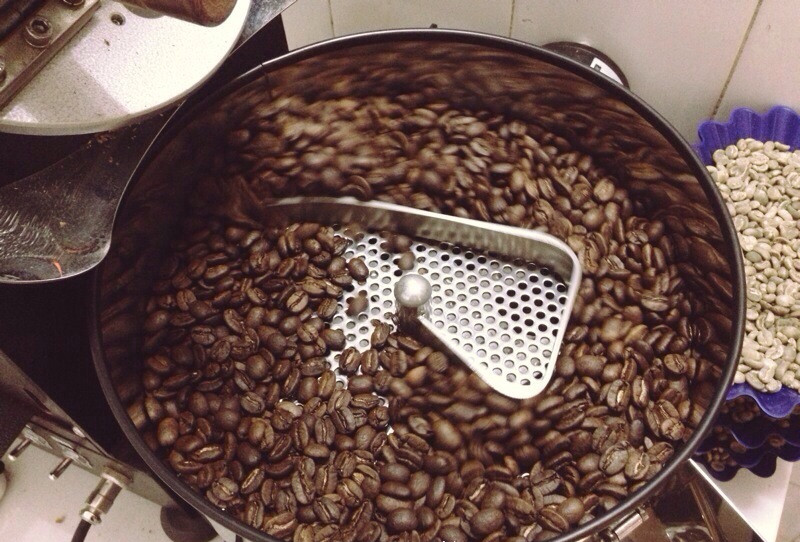
Basic chemical reactions of coffee beans during coffee roasting
Many thermal and chemical reactions take place during baking: decarbonation, dehydration of quinic acid, subdivision, isomerization, polymerization, and complex sugar reactions (caramelization). The main components of the thermal reaction are monosaccharides and sucrose, chlorogenic acid, free amino acids, and fenugreek amide. Both aravinose and calactose in the polysaccharides are transferred, and the basic vulcanization process includes hydroxylamine.
The basic chemical reactions that take place during coffee roasting
Many thermal and chemical reactions take place during baking: decarbonation, dehydration of quinic acid, subdivision, isomerization, polymerization, and complex sugar reactions (caramelization). The main components of the thermal reaction are monosaccharides and sucrose, chlorogenic acid, free amino acids, and fenugreek amide. Both aravinose and calactose in the polysaccharides are transferred, and the basic vulcanization process includes hydroxylamine.
How does the sour and bitter in coffee come from?
Many thermal and chemical reactions take place during baking: decarbonation, dehydration of quinic acid, subdivision, isomerization, polymerization, and complex sugar reactions (caramelization).
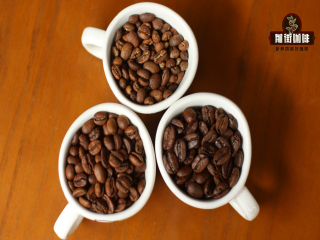
What is the basis of the roasting degree of coffee beans? How the roasting degree affects the flavor of coffee
Coffee flavor, 60% source raw beans, 30% source roasting, 10% source brewing. It can be seen that there are many factors affecting the flavor of coffee. So, as a roaster, how to determine the degree of roasting of coffee beans? Let's talk about the confirmation of baking style today. We need to remind you of two points, coffee.

It is no longer difficult to effectively control the degree of roasting to get high-quality coffee beans.
This baking method controls the degree of baking (for example, I-ROAST) by adjusting the time on the machine, or by controlling the baking degree recommended by the manufacturer, to try baking several times. Then adjust the baking degree according to the decreasing time. If you think the baking is too sour and too bright, then extend it a little longer next time. On the contrary, if you feel too bitter and astringent, then

Introduction to the quality characteristics of coffee roasting flavor description treatment in producing areas
Coffee roasting depth meter roasting depth appearance baking stage very light roasting LIGHT light brown first explosion end, about 205degrees light baking CINNAMON yellowish brown before and after the first explosion, 19500degrees medium baking / micro medium baking MEDIUM brown about 205to 215degrees medium roasting / city roasting CITY reddish brown about 215 to 225degrees deep city baking FULLCITY dark brown * points

How to choose the roasting degree of Front Street coffee beans? The relationship between baking degree and flavor period
Professional coffee knowledge exchange More coffee bean information Please pay attention to the coffee workshop (Weixin Official Accounts cafe_style) The main roasting characteristics of Qianjie coffee beans are compared. Qianjie coffee provides the following five roasting degrees and characteristics, so that coffee lovers who support us can easily choose. Light baked: full aroma, fruit acid flavor is particularly strong. Suitable for your special needs shallow baking: retain most of the incense

Coffee roasting knowledge how to control the roasting degree of coffee?
First, control the baking degree with time and constant attempts in exchange for success. (for example, I-ROAST) is to try baking several times by adjusting the time on the machine, or by controlling the baking degree recommended by the manufacturer. Then adjust the baking degree according to the decreasing time. If you think the baking is too sour and too bright, extend it a little longer next time, on the contrary.

Steps of roasting coffee beans-detailed diagram of roasting degree
Steps of boutique roasting coffee beans-detailed diagram of the degree of baking the material of cast iron makes the inner pot of R500 reach the same material level as most imported models, and we were proud of it for a long time until we learned about plasma spraying technology. Far-infrared materials are widely used in the food industry, but no one has ever tried to use it in the harsh environment of a roaster. Temperature

The relationship between baking pattern and flavor
Now, with the understanding of the relevant words in the previous parts, we will show you the relationship between the various baking patterns and baking depth of these anchovies, which will be introduced in terms of baking depth from shallow to deep. Again: you can also see summary-style simple reference information in the chart on page 8081 of this book. . The most lightly roasted coffee beans, commonly known as
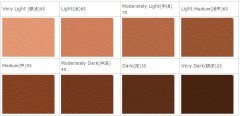
Baking degree resolution diagram
American Coffee Association (SCAA) roasting standard this standard uses infrared caramelization tester technology (Agtron) to measure the color of coffee beans to determine the roasting degree of coffee, and the color is divided into eight equal parts into eight standard color blocks for coffee industry as roasting identification.
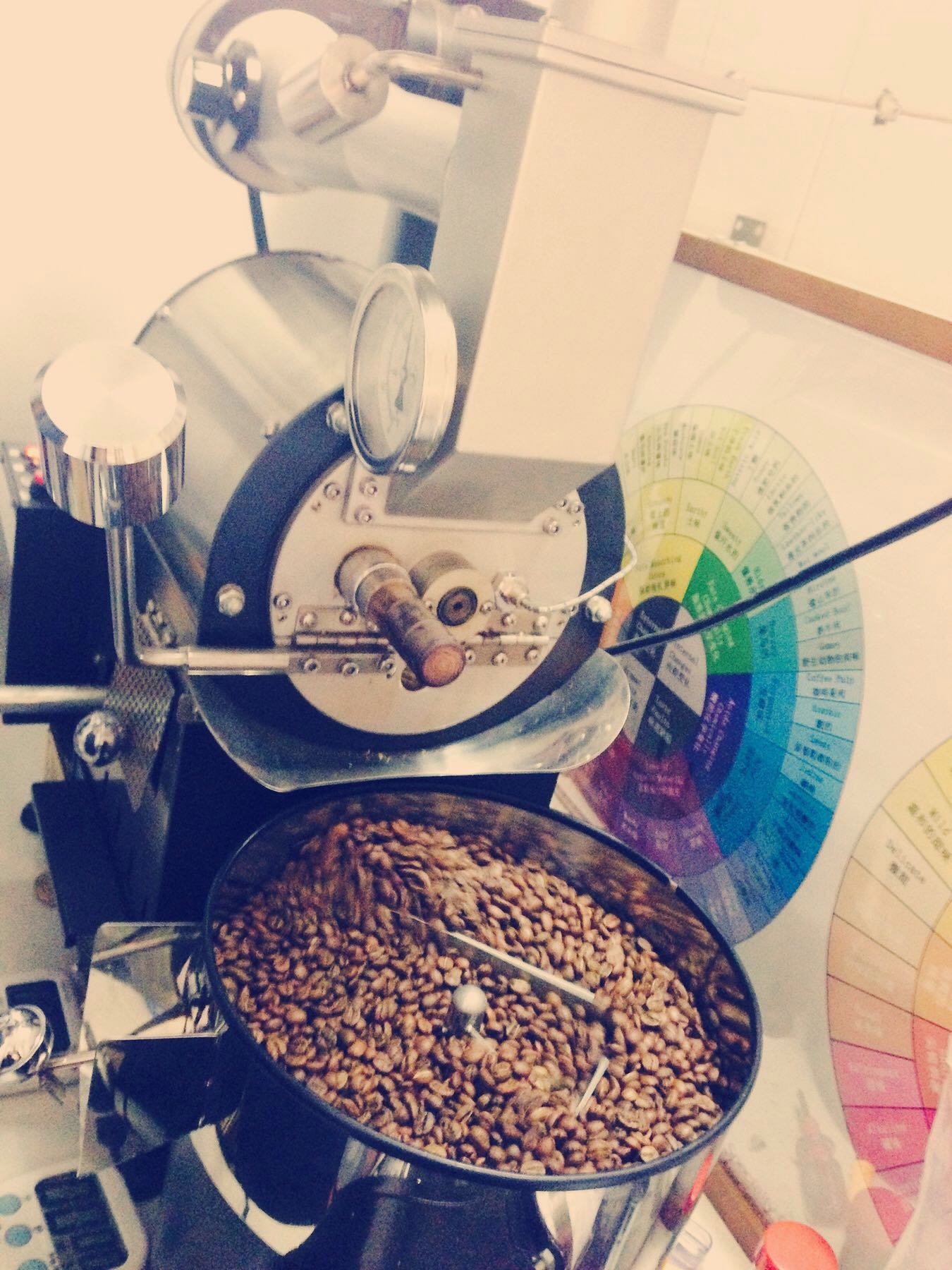
Key points of coffee roasting techniques: basic chemical reactions that take place during coffee roasting
Basic chemical reactions that occur during coffee roasting author: Carl Staub originates from the SCAA baking color classification system, developed by Agtron SCAA 1995 original text from: http://www.sweetmarias.com/roast.carlstaub.html translation: Grant, http://www.baristacn.com/forum/thread-1583-1-1.html in the roasting process